
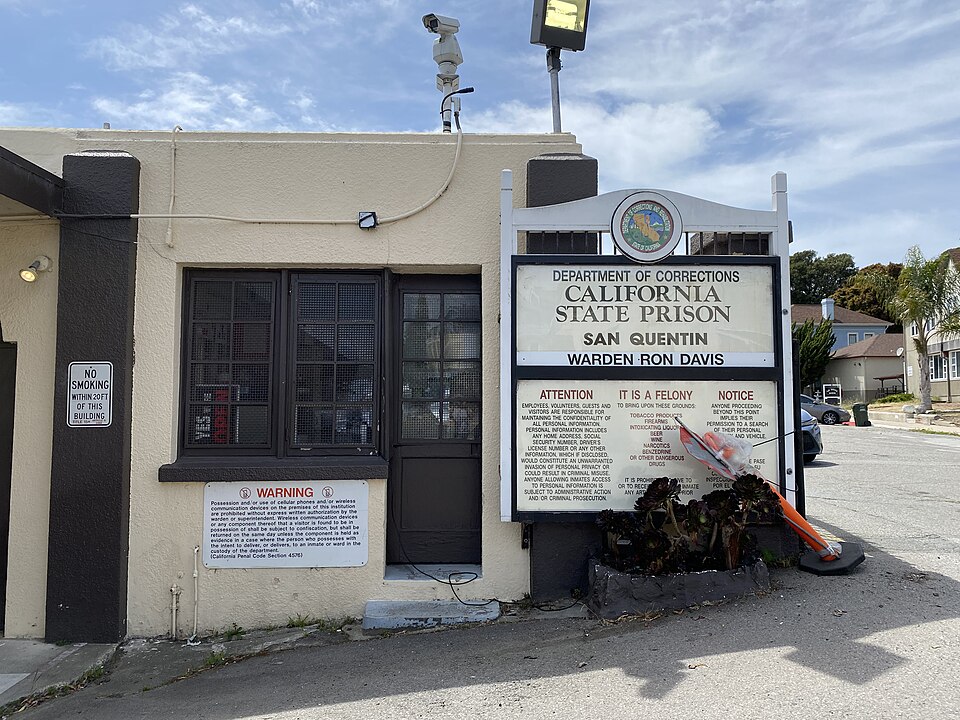
When someone in prison loses a family member, there are immediate questions about time to grieve, support and funeral access. California’s latest bereavement rulemaking addresses the process for time away from prison work and education.
CDCR issued its second revised proposal on September 18, 2026. The comment period closed October 5. As of October 18, the department still lists NCR 26-01 among its pending regulations.
What is already in law
California Penal Code section 2710, effective January 1, 2025, already provides bereavement relief for people in California state prisons after an immediate family member dies. It covers prison employment and educational programs, requires a request and supporting information, and limits relief to three days per occurrence. Regular compensation applies to scheduled work missed during that relief.
The law also protects people from retaliation for requesting or using the relief. Emergency-response duties can delay it under specified circumstances.
What the revised rules would clarify
The September proposal would make the process more specific:
- Eligible people would receive three days of bereavement leave, to be used within three months of the death.
- After receiving the request and supporting information, the warden or designee would have two business days to approve it or delay it because of qualifying emergency circumstances.
- Examples of supporting information include an obituary, memorial notice or program, death certificate and CDCR verification.
- Excused time off would be available while the request is being processed, subject to the emergency exception, and converted to bereavement leave upon approval.
These remain proposed rules. The two-business-day provision should not be presented as a current deadline for approving funeral attendance or a video connection.
What families and facilities can do now
Families can ask the facility who handles bereavement requests, how to provide verification and how their loved one can request available support. Keep the funeral provider’s contact information and service details ready. Ask staff to confirm what they have received and what is still needed.
For facilities, a useful review starts with the handoffs: who receives the death notification, who explains the leave process, and who connects the person with support.
Funeral access needs its own conversation. Section 2710 expressly does not authorize leaving prison. Compassionate Reprieve coordinates requests for virtual funeral viewing, with approval remaining with the correctional facility.
This update concerns California state prisons. Federal prisons and other jurisdictions have their own rules. Confirm current procedures with the person’s facility.